On an exchange you don't bet against the bookmaker — you trade with other people. A Back bet says something will happen. A Lay bet takes the other side and says it won't.
How laying the correct score works
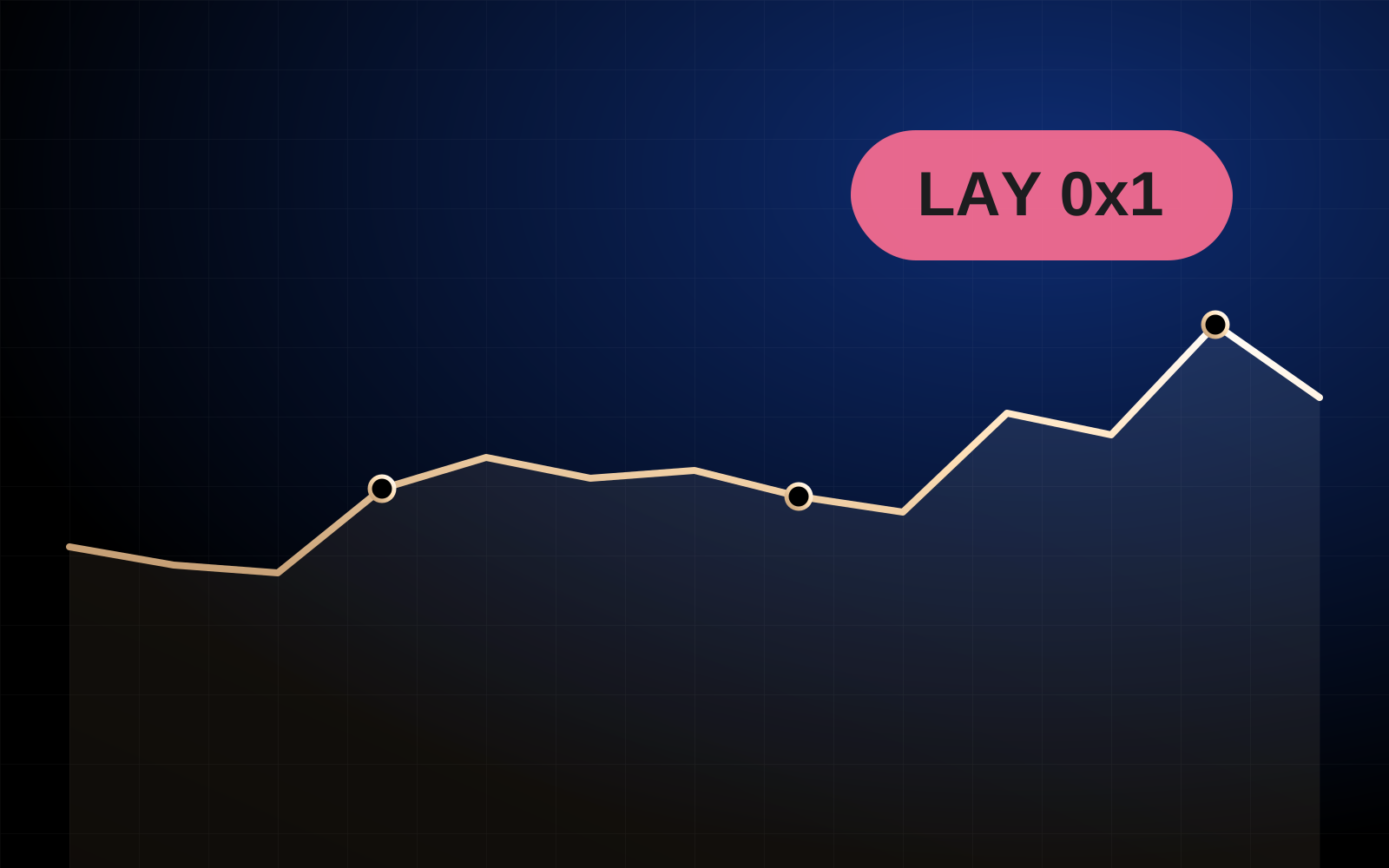
When you lay 0-1, you win if the match ends with any score other than 0-1. It sounds easy, and that's exactly where the risk lives.
| Lay odds | Stake received | Liability |
|---|---|---|
| 8.00 | $10 | $70 |
| 15.00 | $10 | $140 |
| 30.00 | $10 | $290 |
Liability is what you pay if the score lands. The higher the odds, the bigger the possible loss.
Laying isn't "easy money". It's selling insurance: you collect a little many times and may pay a lot at once.
The right question before you enter
Not "will this score happen?" but: is this score's probability lower than the odds imply?
- Convert the odds into implied probability:
1 / odds. - Compare it with the score's estimated probability.
- There's only value if your estimate is consistently lower than the implied one.
To go deeper, read how to read the probability of each score.